Global Prevalence of Presbyopia and the Nutritional Impact
Abstract
Good near vision reflects one’s quality of life. Presbyopia is an age-related impairment of near vision characterized by gradual decrease in accommodation of the eye. Its onset is usuallyobserved in the quadragenarian population. It is due to oxidation of sulfhydryl protein groups present within the lens leading to loss of accommodation, resulting in loss of accommodative amplitude. Globally around 2.2 billion people have vision impairment of whom at least 1 billion have presbyopia. Inadequate diagnosis and treatment, especially in developing countries, have led to significant economic burden and decline in productivity. There remain several factors apart from age, which contribute to presbyopia.
Published
2023-01-01
Issue
Section
Articles
How to Cite
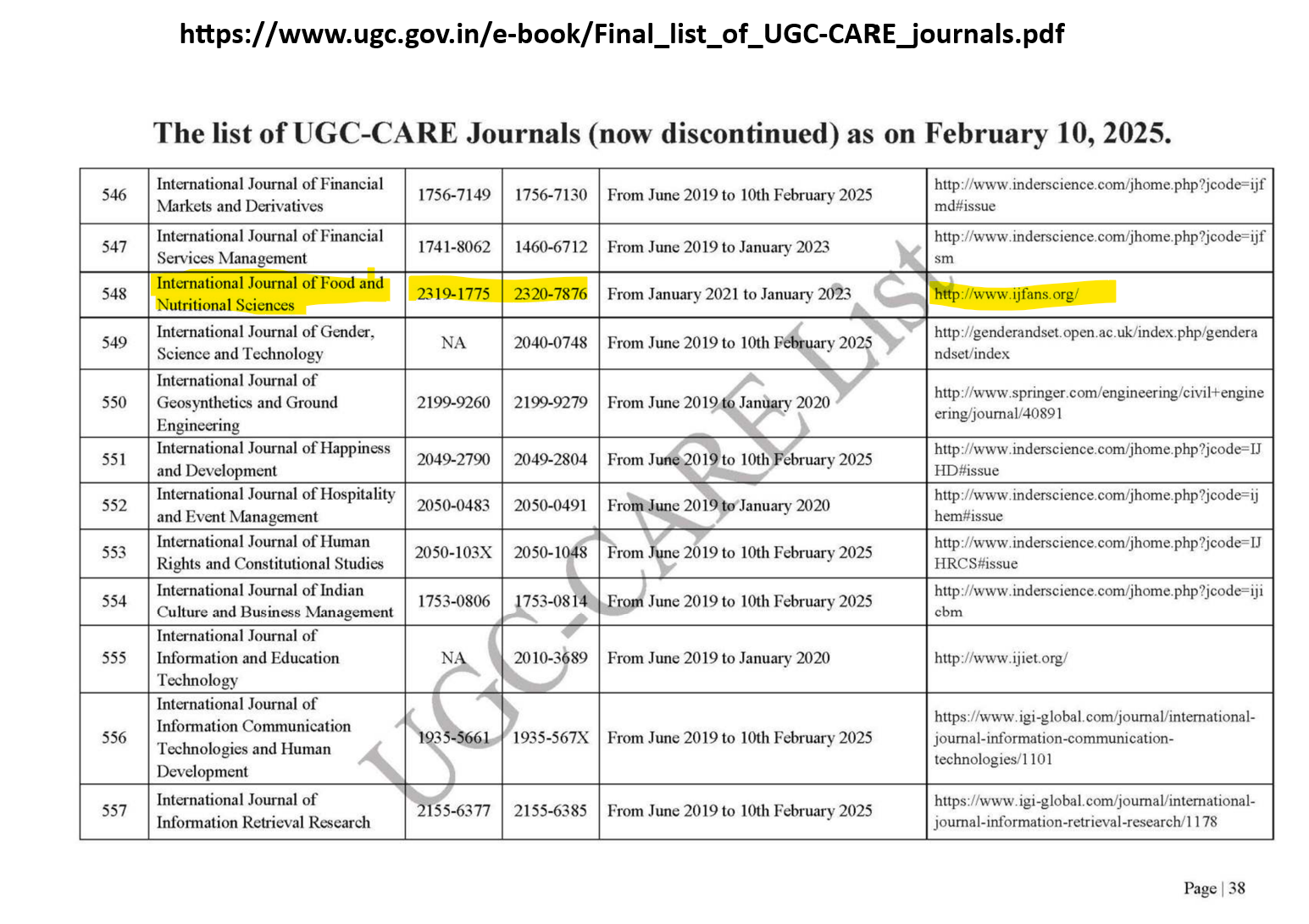
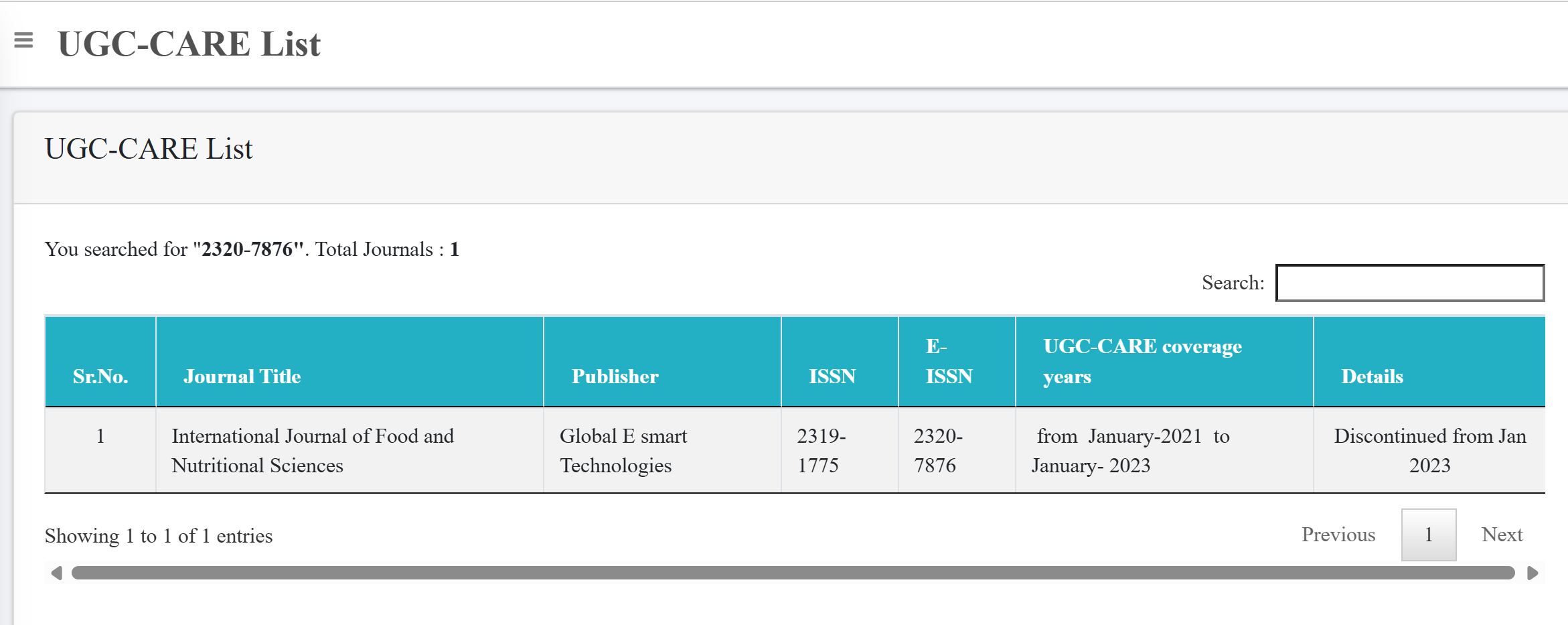
Global Prevalence of Presbyopia and the Nutritional Impact. (2023). International Journal of Food and Nutritional Sciences, 12(1), 78-79. https://www.ijfans.org/index.php/Journal/article/view/1691