Influence of sources and levels of sulphur on productivity, quality and economics of mustard (Brassica juncea L.)
Abstract
A field experiment was carried out during winter season 2020-21 at the Research Farm, A.K.S. University, Satna (M.P.) to study the influence of sources and levels of sulphur on productivity, quality and economics of mustard. The findings concluded that amongst the sulphur levels 45 kg S/ha performed the best giving maximum seed yield of mustard var. Giriraj (15.56 q/ha), seed oil content (41.25%) and economical gain (Rs. 95881/ha) with B:C ratio 3.45. In case of sources of sulphur, gypsum resulted in maximum seed yield (13.66 q/ha), seed oil (39.64 %) and economical gain (Rs. 81105/ha) with 3.01 B:C ratio. Thus 45 kg S/ha applied through gypsum proved the most beneficial of the mustard growers of this region.
Downloads
Published
2022-01-01
Issue
Section
Articles
How to Cite
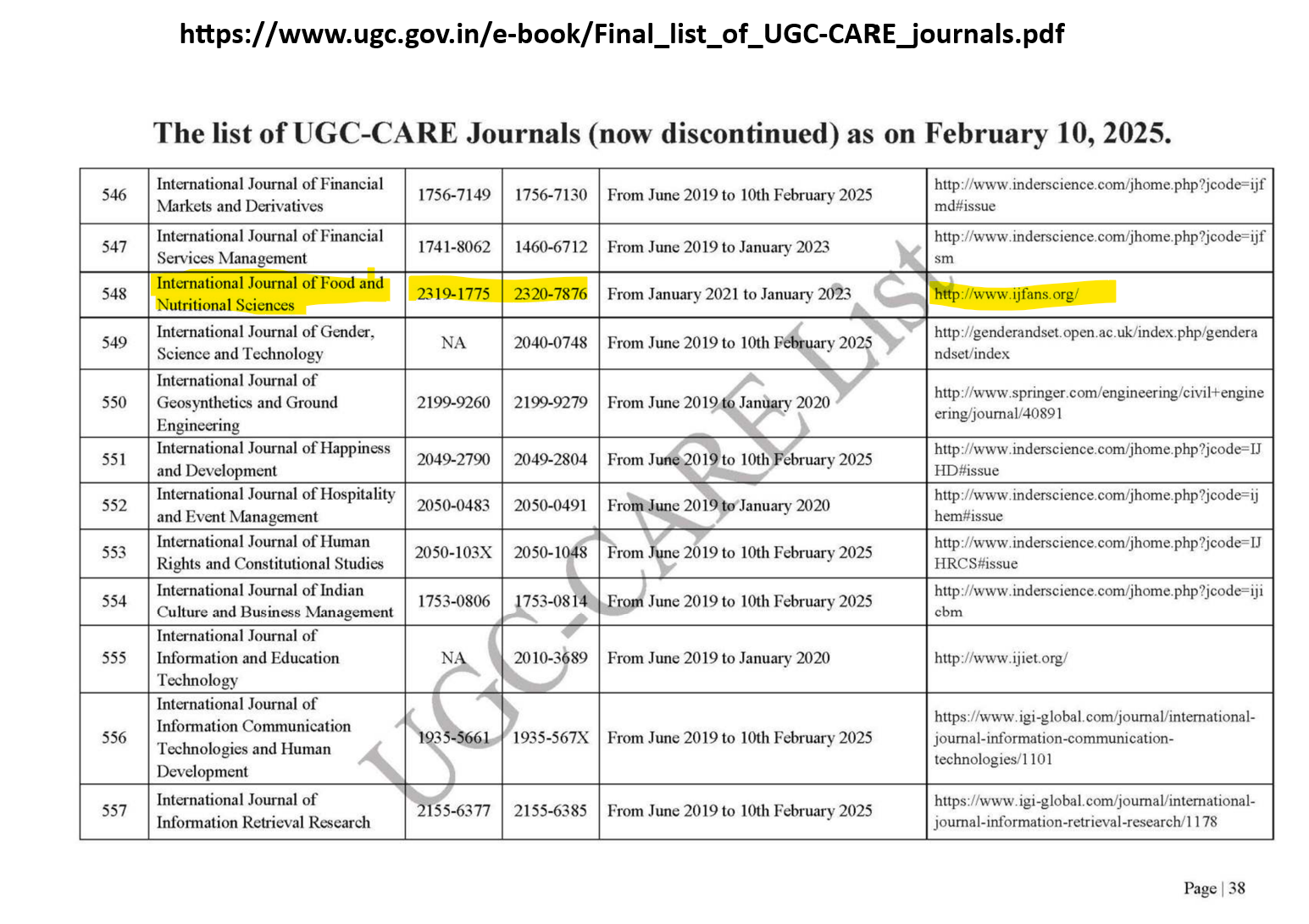
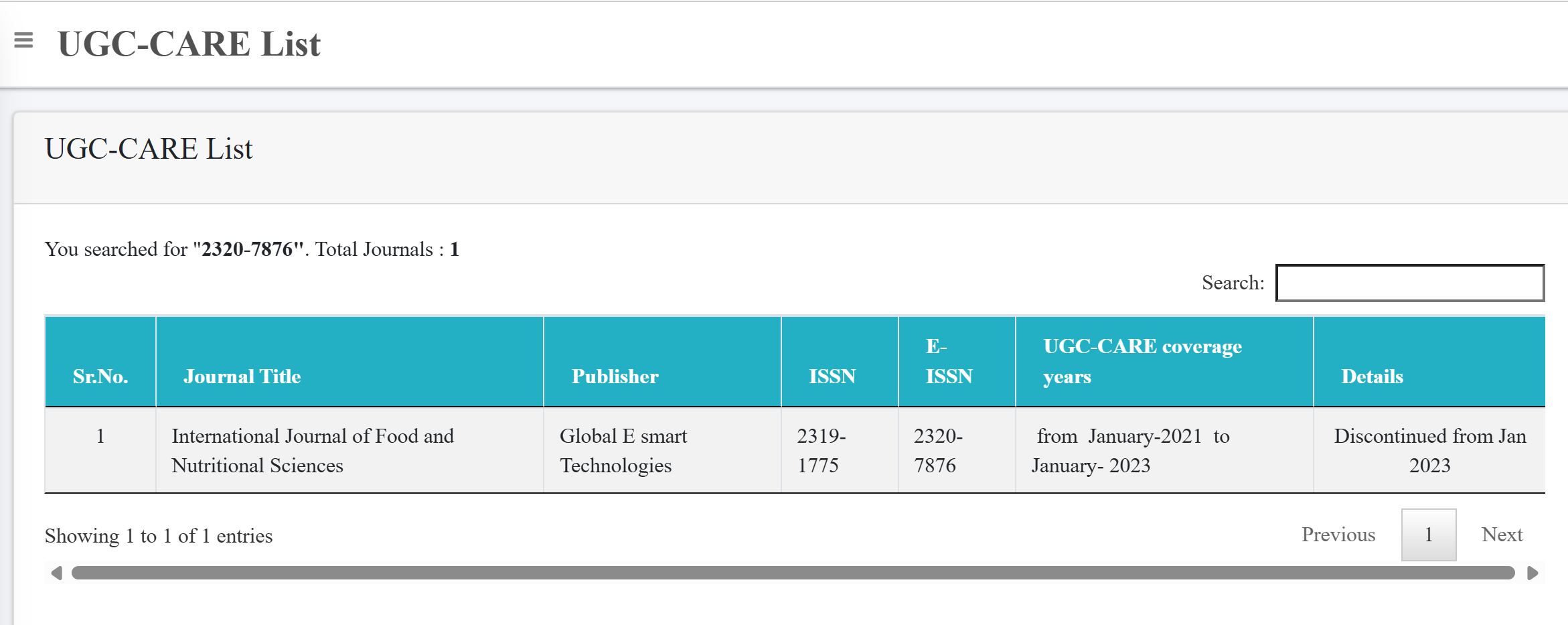
Influence of sources and levels of sulphur on productivity, quality and economics of mustard (Brassica juncea L.). (2022). International Journal of Food and Nutritional Sciences, 11(9), 5606-5611. https://www.ijfans.org/index.php/Journal/article/view/10348