FUZZY LOGIC-BASED TRAFFIC FLOW OPTIMIZATION FOR CONGESTION REDUCTION: A REVIEW
Abstract
Traffic congestion is a critical issue in urban transportation systems, leading to increased travel delays, fuel consumption, and environmental pollution. Traditional traffic management strategies, such as fixed-time signal control and sensor-based actuation, often fail to adapt to dynamic and unpredictable traffic conditions. Fuzzy logic provides an intelligent and flexible approach to traffic flow optimization by incorporating human-like reasoning to process uncertain and imprecise data. Through fuzzy inference systems (FIS), traffic signals can be adjusted dynamically based on real-time parameters such as vehicle density, queue length, and average speed, resulting in improved traffic flow and reduced congestion.
Downloads
Published
2022-01-01
Issue
Section
Articles
How to Cite
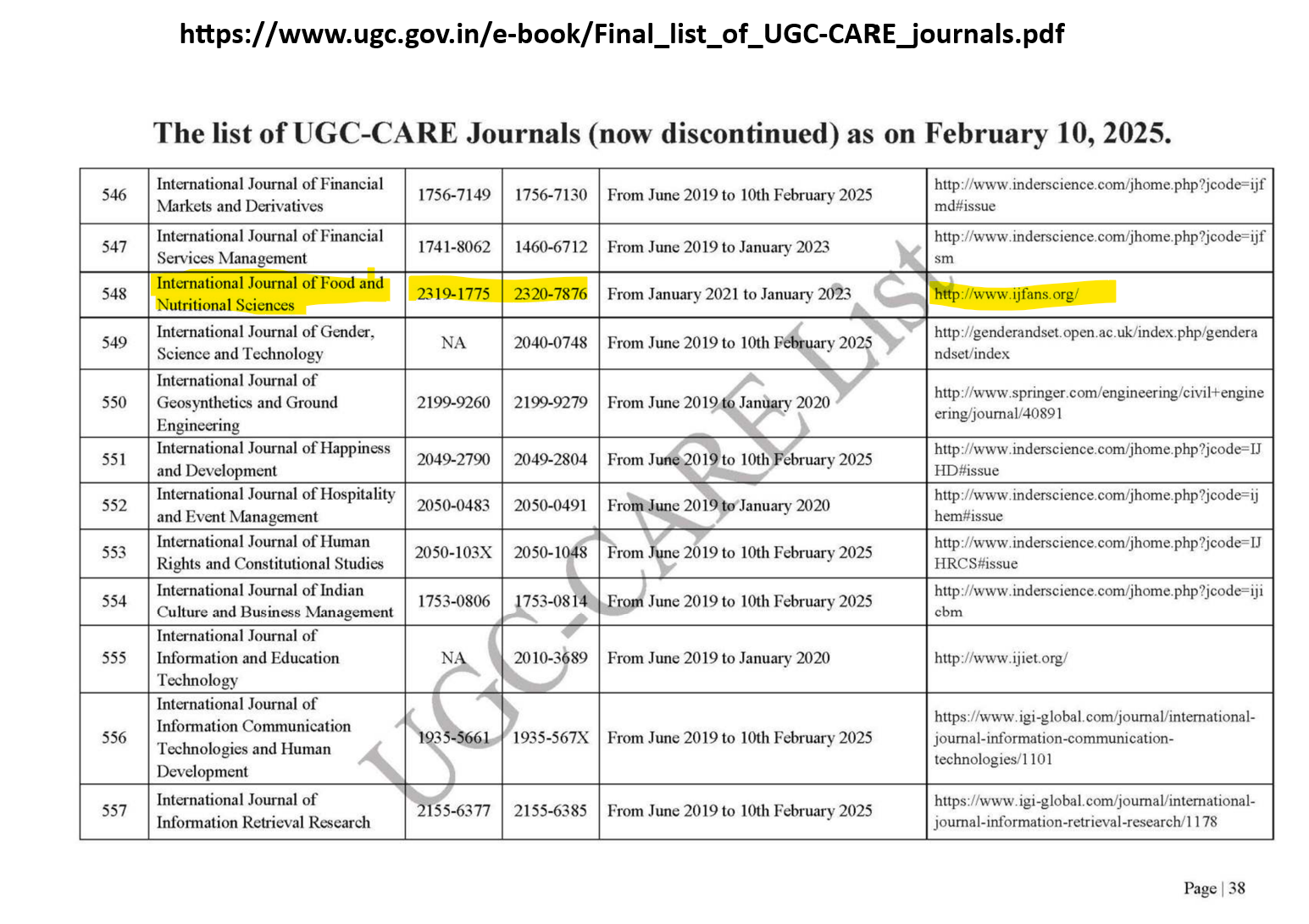
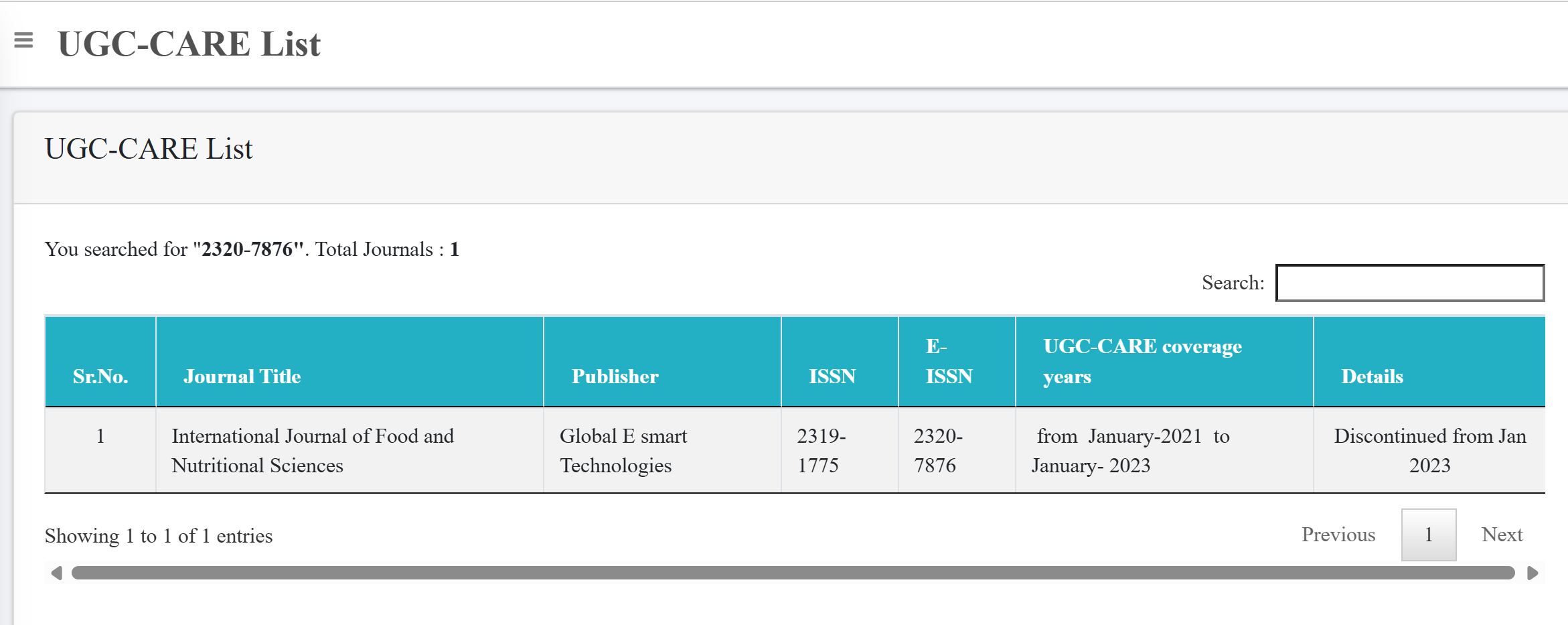
FUZZY LOGIC-BASED TRAFFIC FLOW OPTIMIZATION FOR CONGESTION REDUCTION: A REVIEW. (2022). International Journal of Food and Nutritional Sciences, 11(11), 2153-2163. http://www.ijfans.org/index.php/Journal/article/view/12707